Feeding a crowd used to be simple. Pasta, pizza, and a tiramisu to finish (and that’s a job done!). Back then, the biggest worry was who’d be stuck loading the commercial dishwasher.
But these days? You’ve got gluten-free guests, plant-based eaters, dairy dodgers, and that one mate who’s allergic to everything but mineral water.
Welcome to the new world of catering, where flexibility isn’t a trend; it’s a must. And for a cuisine built on wheat, cheese, and tradition, Italian has had to get clever.
This isn’t about compromise. It’s about evolution. Italian food done differently with just as much flavour and none of the “Oh, I guess I’ll just have the salad.”
Turns out, being gluten-free, vegan, and proud is a lot more Italian than most people think.
What "Gluten-Free, Vegan, and Proud" Really Means
For years, gluten-free and vegan options on menus were an afterthought. Usually bland, sometimes confusing, and often treated like they didn’t belong in a proper kitchen.
Not anymore.
At 48h, “Gluten-free, Vegan, and Proud” means we don’t treat dietary needs like a problem to solve. We treat them like an opportunity to do things better.
We’re not faking flavour. We’re not cutting corners. We’re crafting proper Italian dishes, the kind nonna would be proud of, just without the gluten or animal products. And they’re absolutely good.
Being proud means we don’t hide these options. We give them real space on the menu and real respect in the kitchen.
Why? Because diners have changed, and the sharp operators know it. Coeliacs, vegans, flexitarians, dairy-free diners… they’re all walking through the door. And when they do, you either impress them or you lose them.
So when we say “Gluten-Free, Vegan, and Proud,” we mean:
✔ No compromises.
✔ No sad substitutes.
✔ No second-rate options.
Just real Italian food, made to include everyone at the table.
Yes, Italian Can Be Gluten-Free and Vegan
If you still think Italian food has to mean piles of parmesan and plates of bread and pasta, you’re due for an upgrade.
The truth? Italian cuisine has plenty of naturally gluten-free foods and plant-based dishes baked right into its roots. The idea that it’s “all bread, pasta, and cheese”? That’s just a tourist trap.
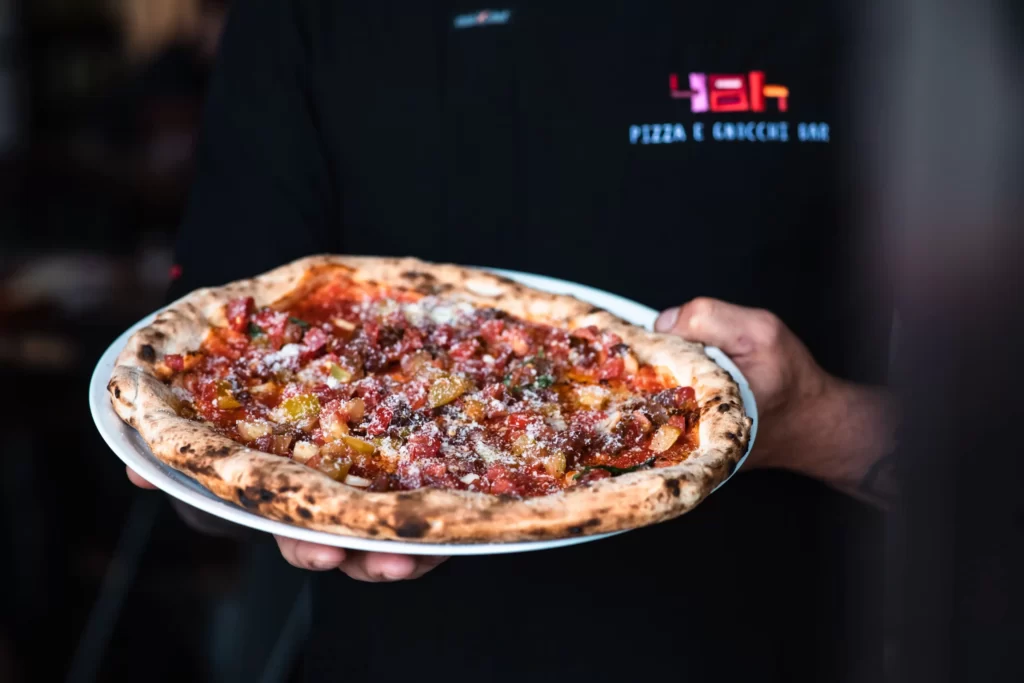
We’re not talking about sad spirals of dry chickpea pasta or watery fake cheese. We’re talking house-made and hand-rolled gnocchi that’s light, fluffy, and 100% gluten-free (i.e., made with a traditional recipe of potato, gluten-free flour, and salt). Sauces loaded with slow-cooked veggies, herbs, and depth (no dairy needed!). And pizzas that hold their own, with bases made from flours like rice, corn, almond, or buckwheat, fermented low and slow to get the right chew.
Italian cuisine has always been about quality produce, clever techniques, and simple ingredients, which makes it perfect for vegan cooking and a strict gluten-free diet. You just need to know what you’re doing.
So, yes, Italian cooking doesn’t have to come with limits. It just has to be done by people who respect flavour and quality, no matter what’s on (or off) the ingredient list.

This Is What Inclusive Italian Catering Looks Like
Plenty of venues still treat gluten-free options and vegan dishes like a checkbox. One dish for the coeliac. A token salad for the vegan. That’s not inclusion, but a menu filler.
Real inclusive catering means every dish earns its place on the table. No one’s left with a sad plate. No one’s stuck explaining their dietary needs like it’s a TED Talk.
Here’s how smart Italian catering actually gets it right:
✔ Menus with range, not restriction
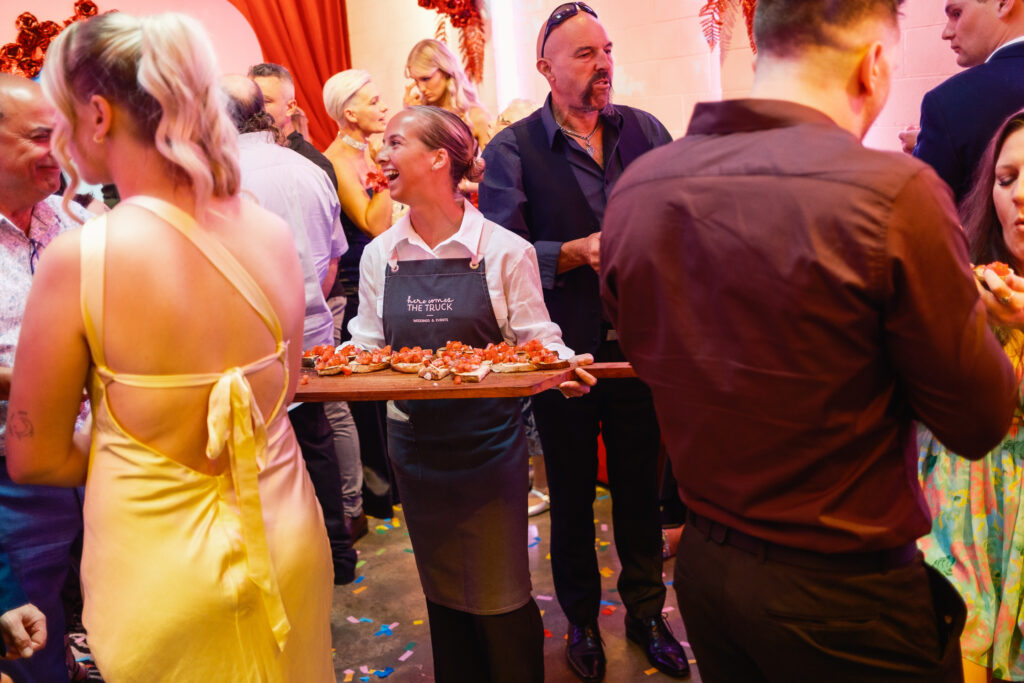
It’s not about what’s missing. It’s about what’s made well. That means grazing tables stacked with roasted vegetables, grilled eggplant, vegan dips, and gluten-free crackers that don’t taste like cardboard. It means gluten-free versions of gnocchi (i.e., made with potato and rice flour) that hold up like the real deal.
A proper menu delivers flavour and flexibility. And yes, the vegan cheese can actually melt, stretch, and taste like something you’d eat on purpose.
✔ Built-in swaps that don’t break the kitchen
A good setup doesn’t need a dozen special requests. If the base is flexible, it’s easy to adjust without blowing up prep. No scrambling to replace soy sauce, no panic swaps on the line.
And here’s the non-negotiable: every kitchen offering gluten-free foods needs systems in place to prevent cross-contamination. This isn’t just for comfort for people with coeliac disease; it’s serious. Clean prep zones, labelled storage, and separate commercial kitchen equipment and utensils. It’s the baseline, not the bonus round.
✔ Clear, confident labelling
Guests shouldn’t have to interrogate a platter to know what’s safe. Whether it’s plated service or shared-style, labelled gluten-free, vegan, or nut-aware dishes make life easier for everyone, from guests to servers to kitchen hands.
Good labelling means fewer last-minute questions, fewer mix-ups, and a smoother service all round.
✔ Food that still feels like… food
Just because it’s made without wheat, meat, or dairy doesn’t mean it should taste like punishment. A smart Italian menu still brings bold sauces, top-shelf vegetables, and that classic hit of olive oil and herbs, whether or not there’s cheese on top.
Even baked goods like almond biscotti or flourless chocolate cake can hold their own. And when done well? Most guests won’t even realise they’re eating the gluten-free or vegan option; they’re just eating good food.
How to Plan an Italian Menu That Works for Everyone
Planning a menu these days? You’re not just picking dishes, but you’re also navigating allergies, preferences, intolerances, and “Oh, I’m doing keto this month.” It can feel like a nightmare if you’re not prepared.
Here’s how to build an inclusive Italian spread that actually works; no stress, no side salads posing as meals.
1. Think full plates, not fallback options
Skip the one “special” dish that screams apology on a plate. Your goal? A menu where everyone, gluten-free, vegan, or just fussy, has real choices.
That means:
- Naturally gluten-free dishes like polenta with mushrooms or risotto (just double-check the stock).
- Vegan-friendly mains that aren’t just vegetables on a plate — we’re talking lentil ragù, dairy-free pesto, stuffed capsicums, or gnocchi made without egg or wheat.
Planning tip: Design a menu where at least 70% of dishes are already inclusive. That way, you’re not juggling three separate menus.
2. Skip the guessing games
Nothing kills the vibe at a party like someone whispering, “Is this safe for me to eat?”
Clear labelling isn’t just polite; it’s essential. Use cards, signs, or even a menu printout that calls out:
- Gluten-free
- Vegan
- Contains nuts, dairy, soy — all the usual suspects
And no, “just ask the staff” doesn’t cut it when the room’s buzzing and drinks are flowing.
3. Cover your courses, not just mains
It’s easy to plan one inclusive main and forget the rest. But don’t overlook:
- Starters: antipasti with grilled veg, olives, and dairy-free dips
- Sides: roast potatoes or leafy salads dressed in olive oil (not creamy dressings)
- Desserts: almond biscotti, flourless cakes, or fruit done properly; think grilled peaches or sorbetto, not just a sliced apple
When every course has a thoughtful option, everyone feels seen and full.
4. Keep cross-contamination in mind
Even if you’re not cooking, you still need to ask the right questions. If someone’s coeliac, they can’t just “pick the croutons off.” Ask your caterer or venue:
- Is gluten-free bread prepped separately?
- Do you have separate utensils for serving?
- Are dishes clearly marked?
A bit of prep now saves you the awkward scramble (or worse, an allergic reaction) later.
5. Don’t forget the flavour
Inclusive doesn’t mean bland. Italian food naturally leans into big flavours such as garlic, olive oil, fresh herbs, and citrus. Whether it’s vegan or gluten-free, the food should still slap.
If it doesn’t taste good, no one’s going to care that it is dairy-free.
Quick Wins
- Choose dishes that are naturally gluten-free and plant-based; less substituting, more flavour.
- Get a list of guest needs early, not the night before.
- Ask your caterer the hard questions (then double check).
- Label everything. Seriously.
Offer at least one dessert worth the calories for everyone.
Eat Freely. Celebrate Boldly. Only at 48h!
Italian food is meant to be shared. Loud tables. Empty plates. Seconds, maybe thirds. But none of that feels right if half your guests are picking around the menu or asking, “Can I even eat this?”
That’s why inclusive catering is the new standard. The most successful restaurants today are the ones that get this right. Whether you’re dealing with coeliac disease, plant-based preferences, or just a bunch of mates with mixed dietary needs, everyone deserves a seat at the table and something decent on their plate.
At 48h, we’ve done the work, so you don’t have to overthink it. We’ve crafted menus where flavour comes first and where gluten-free, vegan, and flexitarian guests all get the real Italian experience. Think proper pasta, woodfired pizza, bold flavours, no compromises.
Because no one should miss out on Italian (and no one has to).